
David Gilmour, Pink Floyd’s legendary guitarist, has left his mark on rock history with his highly melodic and expressive style. His guitar playing—both minimalist and rich in texture—has inspired millions of musicians around the world.
What makes his sound so recognizable is a subtle combination of classic effects— overdrive, delay, compression, and modulation—that create a unique, spacious atmosphere, especially during his memorable solos like “Comfortably Numb” or “Shine On You Crazy Diamond.”
In this article, we’ll explore how to recreate this iconic sound using modern, affordable pedals, while also examining Gilmour’s gear choices over the years.

David Gilmour’s Pedalboard
Let’s start by taking a closer look at at the gear David Gilmour uses or has used…
Since the 1970s, Gilmour has worked with Pete Cornish, a sound engineer who has designed several versions of his pedalboard, incorporating specific effects for each period of his career. Gilmour’s pedalboard has evolved over the years, but several pedals have remained constant and are emblematic of his sound.
Here are some of the most famous pedals he has used:
Chandler Tube Driver
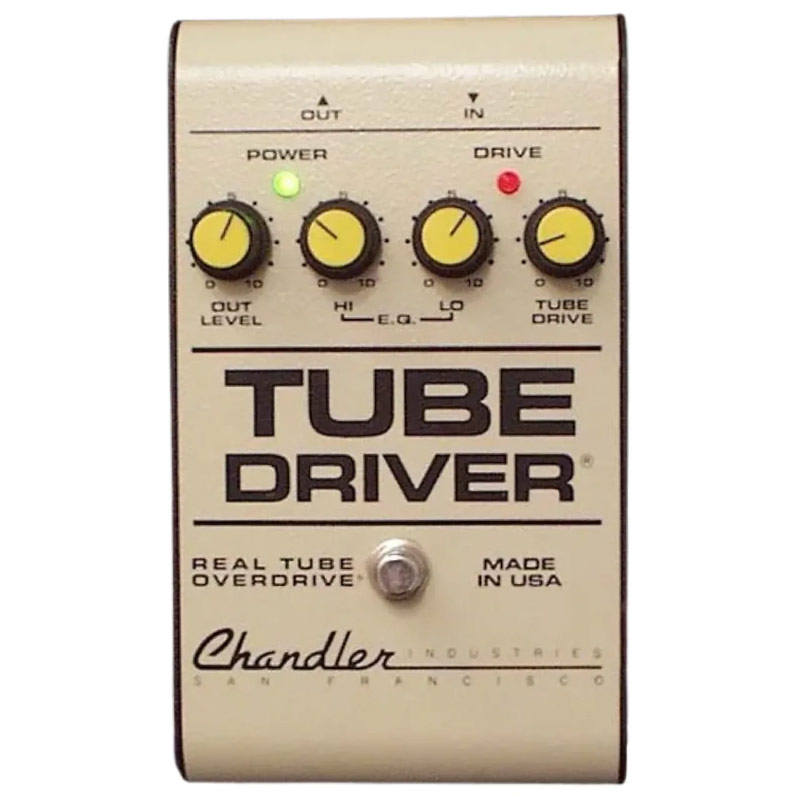
This tube overdrive pedal is a cornerstone of Gilmour’s sound, especially for his solos. It allows him to achieve a warm, controlled distortion, as heard on “Comfortably Numb” and many other songs from the *A Momentary Lapse of Reason* era onward.
Its tube circuit gives it a natural saturation with rich mids and a dynamic response, ideal for expressive, sustained solos.
Electro-Harmonix Big Muff Pi (Ram’s Head)
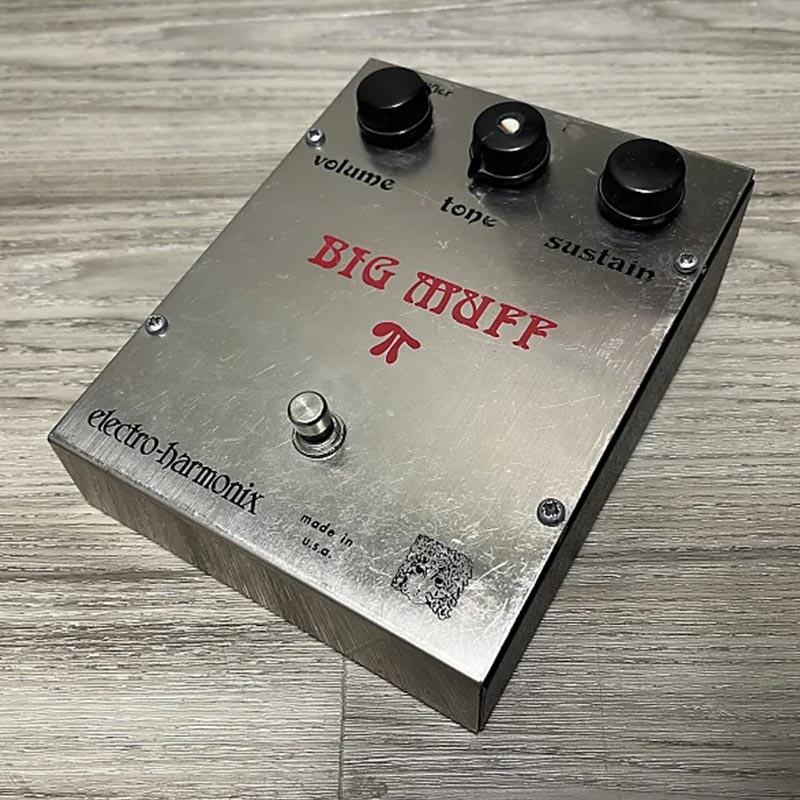
This specific version of the Big Muff is crucial to Gilmour’s sound, especially for legendary solos such as “Comfortably Numb ” and “Time.” During the *The Wall* era and beyond, the Big Muff played a key role in creating the thick, distorted sound that characterizes his solos.
The “Ram’s Head” version offers a smoother, creamier sound than other Big Muff models, with distortion rich in harmonics and excellent response to playing dynamics.
ProCo Rat Distortion
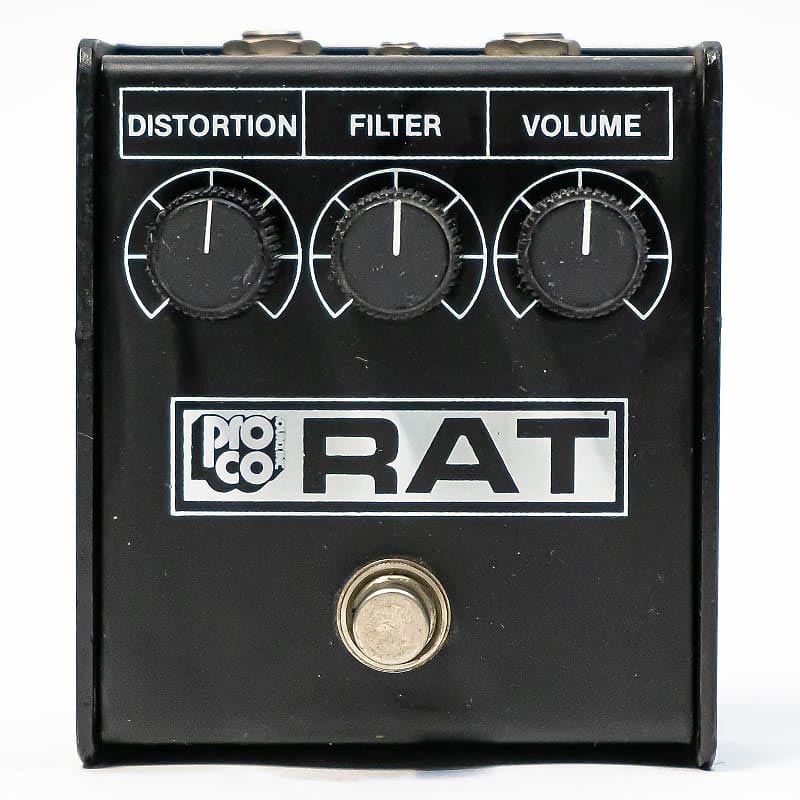
Used primarily by Gilmour in the 1980s, the ProCo Rat allowed him to achieve a more aggressive and cutting distortion. It was part of his live setups, particularly during the tours following the album *A Momentary Lapse of Reason*.
The ProCo Rat is known for its abrasive character, with a gritty distortion that still maintains clarity in the high frequencies— perfect for sharp, powerful leads.
MXR Dyna-Comp and Boss CS-2 Compressor
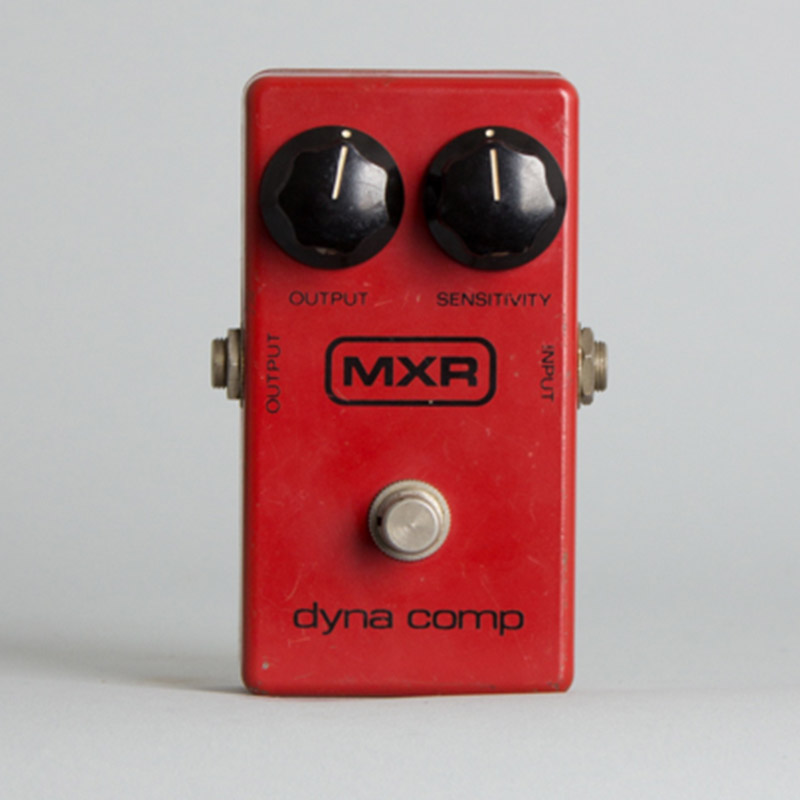
Gilmour did indeed use both of these compressors. The Dyna-Comp is known for providing extended sustain, which is ideal for his slow, expressive solos. The Boss CS-2 was used throughout the 1980s and 1990s—particularly on tour—to give him greater control over his sound.
The Dyna-Comp is known for its fast attack and smooth sustain, while the Boss CS-2 is more versatile, with controls that let you adjust the attack and compression level, offering finer control over the signal.
Binson Echorec 2
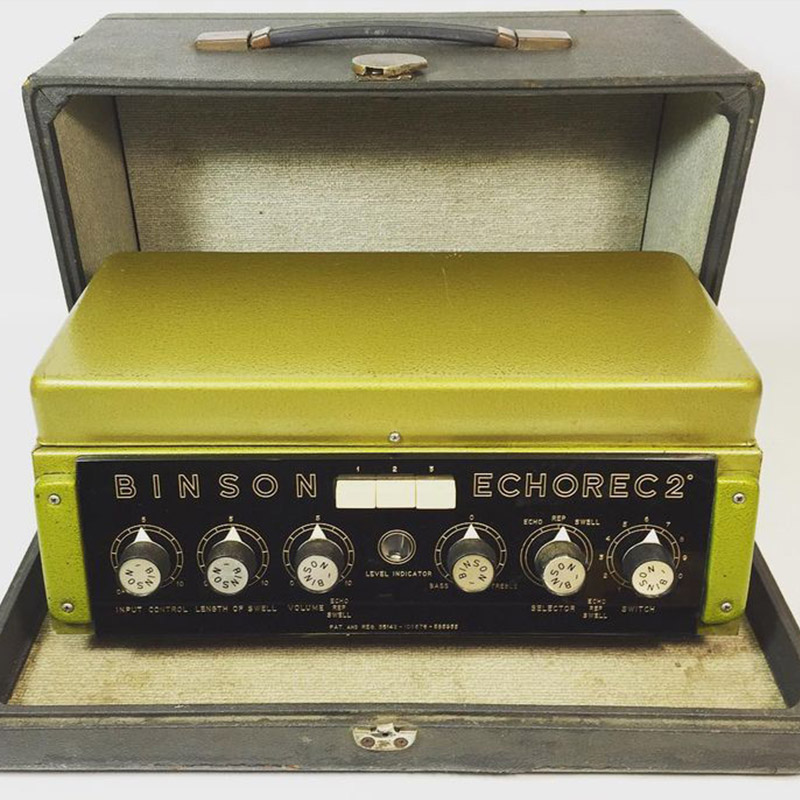
This tape delay is iconic to Gilmour’s sound in the 1970s, particularly on songs like ” Echoes.” The Binson Echorec was capable of creating unique multi-head delay effects. Although hard to find today, modern pedals like the Strymon Volante or the Catalinbread Echorec faithfully reproduce this effect.
Its multi-head tape mechanism generates complex, dense echoes with natural modulation, making it a key element of Pink Floyd’s psychedelic sound.
MXR Phase 90
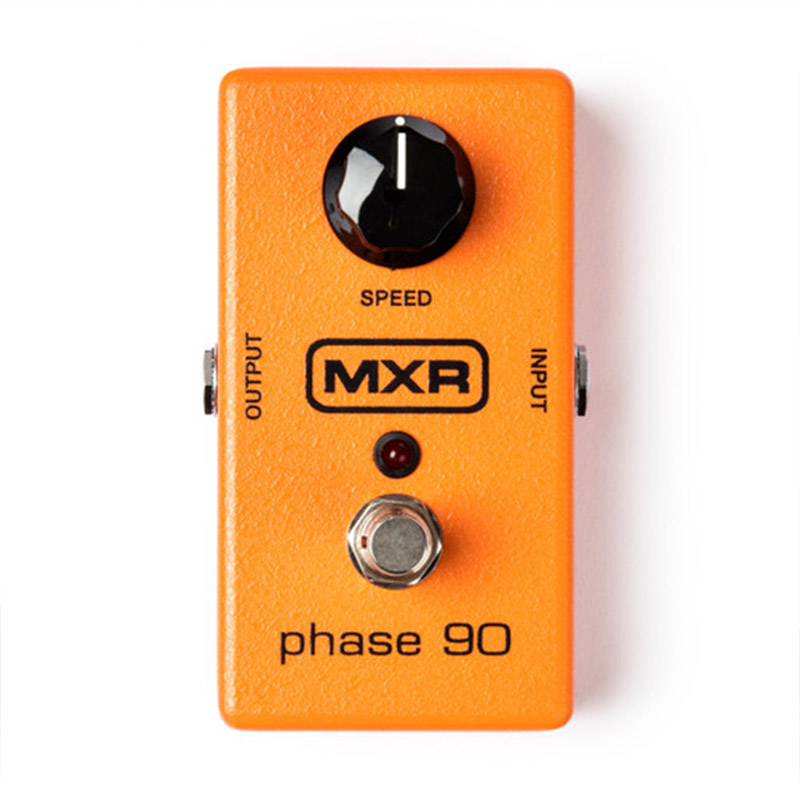
This simple yet powerful phaser was used by Gilmour to add subtle, atmospheric modulation. It is particularly prominent in songs like “Shine On You Crazy Diamond,” where it adds depth and movement to the sound.
The Phase 90 is prized for its simplicity (a single control knob), producing smooth modulation with a warm, enveloping sweep that adds a subtle movement to the sound without making it too intrusive.
Cry Baby Wah modified by Pete Cornish
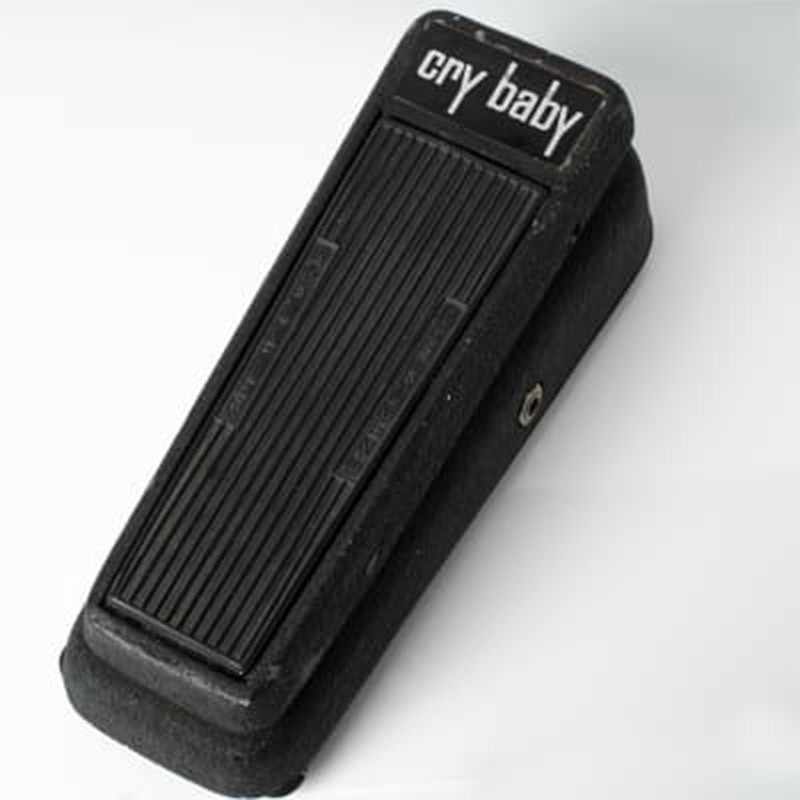
Gilmour often used a Wah pedal modified by Pete Cornish to add extra expressiveness to his solos. This pedal, adjusted to match his tonal preferences, remained a staple of his pedalboard for many years.
Cornish’s modification adjusts the wah’s frequency range, giving Gilmour greater control over the filter’s opening while reducing operational noise, resulting in a more musical and balanced effect.
Guitars & Amps
It’s hard to discuss David Gilmour’s sound without mentioning his guitars and amps…
Gilmour has long remained faithful to his Fender Stratocaster, including the model Signed by David Gilmour from Fender’s Custom Shop, equipped with EMG pickups. When it comes to amps, he prefers simple setups, with a Hiwatt Custom 50-watt and sometimes some Reissues of the Fender Bassman for a clear, slightly overdriven tone. It’s important to remember that the beauty of Gilmour’s tone also lies in his minimalist approach: minimal gear in the signal chain, but exceptional control over frequencies and dynamics. To reproduce this tone at home, a Fender Deluxe Reverb could be a good, more affordable alternative, by adjusting the EQ settings to boost the mids and lows while slightly reducing the highs.
What pedals and effects can you use to emulate the sound of David Gilmour and Pink Floyd?
Now let’s get down to business! What modern gear could possibly simulate and come close to Mr. Gilmour’s iconic sound?
1. Delay and reverb: the key to a spacious sound
Gilmour’s sound relies heavily on the use of complex delays—often combined with reverb—to create a dreamy atmosphere. Delay is particularly prominent in his melodic solos, while reverb adds depth and an “atmospheric” quality.
Here are a few models that fit this concept:
Strymon TimeLine (Delay)
The Strymon TimeLine is a high-end digital delay pedal, ideal for recreating David Gilmour’s delay sounds. It offers 12 different delay types, including emulations of tape delays like the Binson Echorec used by Gilmour. Its highly flexible parameters and intuitive user interface allow you to recreate the ambient and complex delays characteristic of Gilmour’s atmospheric solos.

 Strymon Timeline€479Buy
Empress Reverb
The Empress Reverb is a versatile pedal that offers a wide range of reverb types, from plate and room reverb to hall and shimmer reverb, perfect for recreating Gilmour’s ethereal soundscapes. It features 24 different reverb algorithms, customizable presets, and extensive control over the reverb’s tone and dynamics. The Plate mode and ambient reverbs create rich, deep soundscapes, similar to the reverbs Gilmour uses to add dimension to his solos.

 Empress Effects Reverb€548Buy
Catalinbread Echorec (Delay)
This pedal is a modern recreation of the iconic Binson Echorec, a tape delay (with simulated 4 playback heads) that played a key role in David Gilmour’s sound, especially during the 1970s. The Catalinbread Echorec faithfully reproduces the unique tones of the original, with its multiple playback heads and warm modulation.

 Catalinbread Echorec€264Buy
2. Overdrive, distortion, and fuzz: the full power of by Gilmour
Gilmour has used—and continues to use—various types of distortion to give his solos body, alternating between light overdrive and thick fuzz. Pedals like the Chandler Tube Driver and the ProCo Rat have been essential parts of his pedalboard. The Big Muff (particularly the Ram’s Head version) is also responsible for that fat, heavy sound heard in “Comfortably Numb.”
Let’s see how we can find interesting alternatives to his legendary sound:
HI POWER by Crazy Tube Circuits
The HI POWER by Crazy Tube Circuits, which we previously covered when it was released, is a pedal inspired by the legendary Hiwatt DR103 amp, often associated with David Gilmour’s sound. It faithfully recreates the characteristic tones of this amp, ranging from clear, punchy overdrives to more saturated distortions, while retaining a warm and detailed tone. Ideal for classic rock tones, it’s perfect for capturing Gilmour’s powerful and detailed sound, particularly for dynamic rhythm parts and solos.

 Crazy Tube Circuits HI-Power€275Buy
Plexi-Drive Deluxe by Wampler
The Wampler Plexi-Drive Deluxe is a pedal inspired by the sound of British Marshall Plexi amplifiers, which Gilmour used in his early days. It produces warm overdrive tones with great clarity and dynamics, perfect for achieving the crystal-clear, well-defined solo sounds heard on “Comfortably Numb ” or “Shine On You Crazy Diamond.”

 Wampler Plexi Drive Deluxe€259Buy
Muffroom Fallout Cloud by ThorpyFX (Fuzz)
This pedal is a modern take on the Big Muff with additional control options, allowing you to craft massive, detailed fuzz tones in the style of Gilmour on songs like “Time” or “Echoes.” It delivers incredible sustain and great clarity, even with heavily saturated fuzz tones.

 ThorpyFX Fallout Cloud Fuzz€222Buy
3. Chorus and Phaser, for ethereal, Pink Floyd-esque textures
Gilmour uses Chorus to thicken his clean tone and add a “liquid” quality. He also relies on a Phaser to add movement to his chords and solos. Here are a few similar pedals that might help you recreate his sound:
MXR Phase 90 (Phaser)
The MXR Phase 90 is an iconic phaser used by Gilmour, particularly for its subtle modulation effect. Easy to use with a single control knob, it offers a smooth, circular movement that adds extra color to atmospheric passages. It’s a must-have for achieving those dreamy sounds heard in songs like “Shine On You Crazy Diamond.”
- Key Features: A single control to adjust the modulation speed, perfect for a simple yet effective phaser effect.
- Why does it sound so much like Gilmour? Its subtle, enveloping effect is ideal for adding texture without overwhelming the mix—much like how Gilmour uses it in his most dreamy passages.
Electro-Harmonix Small Clone (Chorus)
TheElectro-Harmonix Small Clone is a classic analog chorus pedal, known for its rich, full sound and its ability to add great depth to the guitar tone. Used to enrich clean passages and define rhythm parts or solos, it fits perfectly into Gilmour’s style to create spacious, enveloping soundscapes.
- Key Features: Analog chorus with depth and speed controls to adjust the modulation.
- Why does it simulate Gilmour so well?: The warmth and depth of the Small Clone are perfect for recreating the rich, floating chorus sounds of songs like “Wish You Were Here.”
Boss CE-2W (Chorus)
The Boss CE-2W is a modernized version of the famous CE-2 Chorus pedal, which Gilmour himself used in the 1980s. With its rich, organic modulations, it’s ideal for recreating the chorus effects that add that spatial dimension to his sounds. The Waza Craft version also features a CE-1 mode that emulates the very first Boss chorus pedal, offering even more possibilities for retro and authentic tones.
4. Compression and EQ, to control sustain and dynamics
5. Boost to elevate solos
To wrap things up, here are a few interesting videos on the topic:
If you notice any minor inconsistencies or mistakes on our part, feel free to leave us a comment or send us a quick message! 🙂


