



Reverb is one of the most popular effects used by guitarists of all styles. Discreet or invasive, natural or totally unrealistic, it is capable of transforming a dry, flat guitar sound into a lively, wide and immersive tone. However, with so many pedals on the market today – hundreds of pedals, dozens of technologies, a multitude of sounds – it’s easy to get lost and not know how to choose the right reverb for you, in terms of both sound and use.
In this guide, we’ll look at how to choose the reverb pedal that really suits your playing, your equipment and your style. We’ll review the main types of reverb (Spring, Plate, Room, Hall), with 5 reference pedals for each, selected by us, and then look at how to use reverb “well”, whether as a sound base, an effect or a sound design tool.
Why is reverb so important for guitar?
Without reverb, an electric guitar plugged directly into an amp sounds… dry. Very dry. In real life, no instrument resonates in a vacuum: it interacts with the room, the walls, the floor, the air. Reverb recreates and simulates this interaction.
It allows you to :
- give depth to the sound,
- create a sense of space,
- better integrate the guitar into a mix or, on the contrary, place it in the foreground with a very present effect.
Some reverbs seek to imitate real places (a room, a concert hall), others artificial systems (plates, springs) and still others tend towards modulations and more experimental sounds.
The 4 main types of reverb to know
Before talking about brands and models, it’s important to understand what each type of reverb does. The right choice depends much more on this than on a pedal’s price or reputation.
If you’re interested in this subject, take a look at our other article “All you need to know about the different types of reverb pedals”..
1. Spring reverb
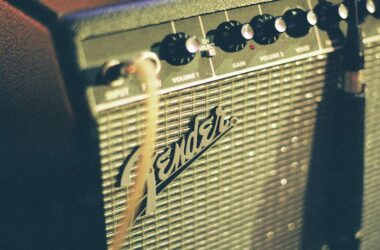
This is the historic reverb of vintage Fender, Vox or Marshall amps. The sound is generated by real metal springs in a tank. The result is a bright, slightly metallic sound with a strong character.
It’s the reverb of surf, vintage rock, blues and much of American music.
For whom?
- Fans of vintage sounds
- Blues, rock, surf, country guitarists
Those who want a reverb that’s part of the grain
5 reference reverb Spring pedals
Catalinbread Topanga

The Topanga is one of the most renowned boutique pedals for recreating the sound of Fender spring reverbs. It takes on the character of the 6G15 circuit, but in a compact, robust format that’s much more practical for a modern pedalboard. Its grain is warm, bright and very dynamic, with a great response to playing. It’s an excellent compromise between vintage authenticity and modern reliability.
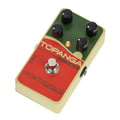
 Catalinbread Topanga233 €Buy
Strymon Flint

The Strymon Flint combines two effects emblematic of vintage amps: a high-quality spring reverb and a tremolo inspired by Fender, Vox and tube bias circuits. The reverb is particularly realistic, with a natural decay and a very musical character, far removed from cold simulations. The quality of conversion and processing is beyond reproach, making this a reference pedal both on stage and in the studio. It’s a premium choice for lovers of high-end retro sounds (and it’s one of our little darlings at GuitarEffect, hard to hide).

 Strymon Flint V2369 €Buy
Source Audio True Spring

The True Spring is one of the most technologically advanced spring reverb pedals on the market. It offers 3 different types of spring, with an impressive level of realism, from subtle to very pronounced. Thanks to the Source Audio application, you can fine-tune spring length, saturation and diffusion. It’s the perfect pedal for guitarists who want both credible vintage sound and modern flexibility.
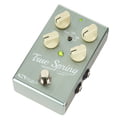
 Source Audio SA 247 True Spring Reverb235 €Buy
SurfyBear Compact

The SurfyBear Compact is today one of the essential references for fans of authentic spring reverb. It uses a genuine spring tank, like the vintage units, which enables it to deliver a very organic, deep and dynamic sound. The famous “drip” effect is clearly present, with a character very close to that of historic Fender reverbs. More reliable and affordable than the old tube models, this is an ideal solution for getting back to a true modern spring sound that can be used on stage as well as in the studio.
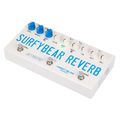
 Surfy Industries Surfybear Compact Deluxe WH379 €Buy

The JHS Spring Tank is a dedicated spring reverb pedal designed to deliver expressive vintage sound in a modern, reliable format. It features two distinct modes: a shorter, more discreet mode to thicken the sound, and a longer, drippier mode for strong surf or retro ambiences. The grain is warm, dynamic and highly responsive to playback, without sounding artificial. This is an excellent option for guitarists who want a typical spring that’s easy to set up and perfectly usable on stage.
2. Plate Reverb
The reverb plate comes from the studios of the 60s and 70s. The sound is generated by a large metal plate that vibrates. It’s dense, smooth and very musical, without the splashy effect of a spring.
It can be found on countless guitar, vocal and drum recordings.
For whom?
- Studio sounds
- Rock, pop, indie
- Rhythm guitar and solos
5 reverb Plate reference pedals
Catalinbread Talisman Plate Reverb

The Talisman is a pedal entirely dedicated to flat reverb, inspired by the legendary EMT 140 studio pedals. The sound is dense, smooth and very “studio”, with a beautiful midrange presence that helps the guitar break through in a mix. It adds depth without metallic effects or excessive modulation. It’s an excellent choice for rock, pop or indie guitarists who want a real, authentic flat sound without getting lost in dozens of algorithms.
UA Golden Reverberator

Universal Audio’s Golden Reverberator recreates several legendary studio reverb units, including legendary plates used on countless recordings. The rendering is extremely detailed, with a very realistic sense of space and a very natural response to guitar attacks. Dynamics and texture are particularly impressive, especially when playing clean or slightly saturated. This is a high-end pedal designed for demanding guitarists and studio work.

 Universal Audio UAFX Golden Reverberator355 €Buy
Walrus Audio Fathom

The Walrus Audio Fathom offers a modern, warm and slightly modulated flat reverb, perfect for creating broad, enveloping textures. It excels in soaring ambiences, yet remains sufficiently defined not to drown out the signal. Its character is more “artistic” than strictly realistic, making it very interesting for ambient, post-rock or indie. It’s a pedal that clearly invites sound creation.
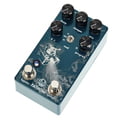
 Walrus Audio Fathom205 €Buy
JHS Alpine Reverb

The JHS Alpine is a simple, musical reverb based on a unique, highly successful plate algorithm. It offers a natural, warm and progressive decay, perfect for thickening a clean or supporting a solo without invading the spectrum. The settings are deliberately minimalist, making it very quick to use on stage. A plug-and-play pedal that gets straight to the point. The JHS Alpine features 2 footswitches to switch instantly from one discreet reverb setting to a second, more intense one.
Electro-Harmonix Holy Grail Neo

The Holy Grail Neo is a cult pedal known for its simplicity and formidable efficiency, and its flat mode is particularly musical. It delivers a dense, smooth and natural reverb that immediately thickens the sound without drowning it out. A single potentiometer controls the mix, while a selector chooses the type of reverb (Spring / Hall / Plate), making it ultra-quick to set up live. It’s the perfect solution for guitarists who want a beautiful “plug-and-play” plate, without menus or complex parameters.

 Electro Harmonix Holy Grail Neo129 €Buy
3. Room Reverb
The room simulates a real room: studio, rehearsal room, small club. It’s shorter, more discreet and much more natural.
It’s the perfect reverb for those who just want to “air out” their sound without the effect being clearly audible.
For whom?
- Clear sounds
- Rhythms
- Guitarists who want a credible, realistic sound
5 reference reverb room pedals
Boss RV-6

The Boss RV-6 is a highly appreciated pedal for its clear, unobtrusive and extremely musical room reverb. It adds just the right amount of space to liven up the sound, without ever overpowering the guitar. It’s typically the kind of reverb you’d leave on all the time to thicken a clean or light crunch. Its ease of use and reliability make it a sure bet for both stage and studio.

 Boss RV-6169 €Buy
MXR M300 Reverb

The MXR M300 offers several types of reverb, but its room is particularly successful, with a very natural, well-balanced rendering. It provides a real room feel around the guitar, without excessive coloration or digital artifacts. Settings are simple but precise enough to suit most styles. It’s an ideal pedal for those who want a credible, professional sound without the hassle.
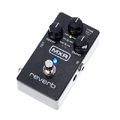
 MXR M300 Reverb217 €Buy
EarthQuaker Devices Dispatch Master

The Dispatch Master combines delay and reverb in a very simple and musical approach. Its room reverb is short, warm and perfectly suited to adding depth to a sound without transforming it. It works equally well as an always-on or as a more pronounced effect for ambient passages. This pedal is highly appreciated for its natural character and ease of integration into any pedalboard.
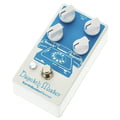
 EarthQuaker Devices Dispatch Master V3229 €Buy
Neunaber Immerse Reverberator Mk II

Neunaber Immerse MkII is renowned for the exceptional quality of its reverb algorithms , particularly its plates and halls. The sound is very fluid, deep and natural, with a great sense of space without harshness in the highs. It’s also very popular in the studio, thanks to its low noise and high fidelity. It’s an excellent option for those looking for a high-end yet compact reverb.
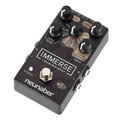
 Neunaber Immerse Reverberator Mk II279 €Buy
TC Electronic SkySurfer Reverb

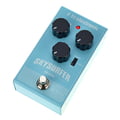
The SkySurfer is a simple, sturdy and very straightforward low-priced pedal, whose Room mode surprises with its credibility and warmth. It creates a small, natural space around the guitar, perfect for clean rhythms or light crunch. The Reverb, Tone and Mix controls let you quickly adjust the duration, brightness and amount of effect. It’s an excellent plug-and-play solution for those who want an efficient room without superfluous features.
 tc electronic Skysurfer Reverb37 €Buy
4. Hall Reverb
The hall simulates a large concert hall or cathedral. It’s a long, wide, immersive reverb. It’s ideal for ambience, post-rock, shoegaze or soaring solos.
For whom?
Ambient or post-rock, more for guitar leads or elaborate sound design.
5 reference Hall reverb pedals
Electro-Harmonix Oceans 11 (dedicated Hall mode)

Although it offers several modes, the Oceans 11 is often used for its ample, musical hall. Rendering is broad and immersive, with a very natural progressive decay that’s perfect for solos and soaring textures. It remains simple, affordable and highly effective on stage. A sure bet for great ambience without breaking the bank.
 Electro Harmonix Oceans 11 Reverb149 €Buy
Walrus Audio Slö

The Walrus Audio Slö is designed for guitarists who like to create slow strings and enveloping soundscapes. Its hall reverb is very wide, often accompanied by modulation or filters that give an almost synthetic character to the sound. It can transform a single note into a moving wall of sound. An ideal pedal for shoegaze, ambient and soaring atmospheres.
 Walrus Audio Slö Multi Texture Reverb211 €Buy
Red Panda Context V2 (dedicated Hall mode)

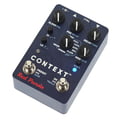
The Context V2 is a high-quality pedal known for its natural, detailed reverbs. Its Hall algorithm is particularly realistic, with very clean diffusion and beautiful stereo depth. The Delay, Decay, Mix and Tone controls enable precise sculpting of space without going overboard. It’s a top-of-the-range solution for those who want a big, modern, precise reverb that’s equally at home live or in the studio.
 Red Panda Context 2359 €Buy
Old Blood Noise Endeavors – Dark Star V3

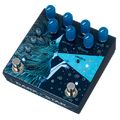
The Dark Star V3 from Old Blood Noise Endeavors is a pedal dedicated to the creation of large, immersive ambiences, with a hall that gives a very extended, almost cinematic impression of space. Its reverb doesn’t just simulate a room: it adds a textured dimension that can be both deep and musical, ideal for lyrical solos or sound layers that need to “breathe”. The controls (Mix, Decay and Grind) make it easy to switch between a clean hall and more grainy or modulated tails, making it very expressive without becoming complex to set up. It’s an excellent hall for those who want a full sound with character, particularly in post-rock, ambient or dramatic atmospheres.
 Old Blood Noise Endeavors Dark Star Stereo Reverb349 €Buy
Keeley Hydra Reverb & Tremolo

The Keeley Hydra combines tremolo and reverb, but on the reverb side it offers three very distinct algorithms, including a particularly successful, wide and natural hall. The result is deep, musical and highly legible, even with a long decay, making it perfect for soaring solos or post-rock ambiences. The Decay, Level and Tone controls let you quickly adjust the size and color of the space, without complex menus or sub-parameters. It’s a simple, inspiring and very plug-and-play pedal, ideal for those who want a credible big hall without a gas factory.

 Keeley Hydra Stereo Reverb / Tremolo295 €Buy
5. Versatile reverbs (digital multi-algorithms)
So far, we’ve mostly talked about more or less specialized pedals: a dedicated spring, a precise plate, a well-characterized hall. But some guitarists prefer a more flexible approach: a single pedal capable of doing it all.
This is where multi-algorithm digital reverbs come in.
These pedals combine several types of reverb in a single box: spring, plate, room, hall, but also shimmer, reverse, modulated or more experimental textures. They are particularly interesting for guitarists who play several styles, record a lot or want to explore sound design.
5 versatile reverb pedals :
Strymon BigSky

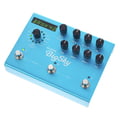
BigSky has become a benchmark among pro guitarists and studios alike, thanks to its extremely detailed algorithms and impeccable sound quality. It offers a dozen different reverbs (spring, plate, hall, room, shimmer, cloud, bloom…), with highly advanced parameters for precisely sculpting space and texture. Presets, MIDI and stereo make this a very complete machine for both stage and recording. It’s the ideal pedal for those who want a single reverb capable of covering absolutely every style, from simple always-on to massive ambient layers.
 Strymon Big Sky459 €Buy
Source Audio Ventris

The Ventris is a top-of-the-range pedal with 2 independent reverb motors, enabling you to superimpose or combine different types of halls. Rendering is extremely detailed, with great harmonic richness and very natural dynamics. It excels in both large, realistic halls and more experimental ambiences. It’s a complete solution for guitarists who want to explore the full potential of reverb.
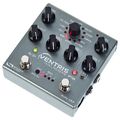 Source Audio Ventris Dual Reverb444 €Buy
Eventide Space / H9

Eventide is a historic name in studio reverb, and the Space (or H9) directly embeds this know-how in a pedal format. The halls and flats are particularly vast and three-dimensional, with impressive precision on the long reverb tails. The parameters are very comprehensive (diffusion, modulation, filters, pre-delay…), allowing you to go a long way in personalizing your sound. It’s a powerful, almost “studio rack” tool, designed for those who really like to sculpt their ambiences.
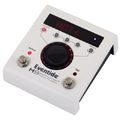
 Eventide H9 Max Harmonizer569 €Buy
TC Electronic Hall of Fame 2

The Hall of Fame 2 remains one of the most affordable and versatile reverbs on the market. It offers several essential reverb types (spring, room, hall, plate…) and, above all, the TonePrint system, which lets you load artist presets or create your own via smartphone. Its compact size and simple settings make it easy to integrate into any pedalboard. It’s a great option for those who want lots of possibilities without breaking the bank or spending hours in the menus.
 tc electronic Hall of Fame 2111 €Buy

The Walrus Audio R1 is a modern digital reverb designed to offer a wealth of possibilities while remaining intuitive. It features 6 main algorithms (spring, hall, plate, room, swell, refract) with advanced controls that are easily accessible, without complex menus. Built-in presets, stereo and modulation options let you go from simple always-on to wide-ranging ambient textures. More compact and direct than a BigSky or Space, it represents an excellent compromise between versatility and simplicity.
How to use reverb on your guitar?
The real question is not “which pedal to buy”, but how you’re going to use it.
1. Reverb as the basis of sound (always-on)
Many guitarists use a small room or flat all the time. The aim is not to hear the effect, but to feel that the sound is wider, more natural.
Typical settings :
- Decay short
- Low mix
- No modulation
It’s perfect for blues, pop, funk and generally very rhythmic playing. Note that many guitar amps feature a built-in reverb, so it can also do the job just fine in place of a pedal!
2. Reverb as an expressive effect
Here, reverb becomes part of the game. Activate it for a solo, a quiet passage or an intro.
We often use a flat reverb, hall or a very pronounced spring. This works perfectly for solos, arpeggio ballads or very “atmospheric” passages.
3. Reverb as a sound design tool
In ambient, post-rock or shoegaze, reverb is sometimes more important than the guitar itself. Long decay, shimmer, modulation, reverse…
We create layers, walls of sound, textures… Some reverbs are truly experimental sonic tools that allow you to completely sculpt your sound for a particular track or passage.
Where to place the reverb in the chain?
Always after overdrives, distortions and modulation, and ideally in the amp’s effect loop if you have one. We made a complete article on the placement and order of your effects chain, don’t hesitate to consult it!
Want a wider selection of reverb pedals to find YOUR nugget? It’s all here in our “Complete guide to the best reverb pedals” article.
FAQ – Choosing the right reverb pedal
What’s the best reverb pedal for guitar?
There’s no single “best” reverb pedal, as it all depends on the style of music and use. For a vintage sound, a spring reverb like the Fender ’63 Reverb or the Catalinbread Topanga is ideal. For a more versatile or modern use, pedals like the Strymon BigSky, Source Audio Ventris or TC Electronic Hall of Fame 2 offer many types of reverb in a single box.
What’s the difference between spring, flat, room and hall reverbs?
The spring is a typical vintage reverb, often found in Fender amps. The plate is a dense, smooth studio reverb, often used for rock and pop guitars. The room simulates a small room and is mainly used to give depth in a natural way. Halls recreate large halls or cathedrals, ideal for soaring sounds and solos.
Should your guitar always have reverb on?
Many guitarists use a little reverb all the time to liven up their sound. A room or a flat reverb with a low mix helps avoid an overly dry sound, especially in clean or crunch. Others prefer to activate it only for solos or atmospheric passages.
Where to place the reverb pedal in the effects chain?
Reverbs are almost always placed at the end of the chain, after overdrives, distortions, delays and modulations. Ideally, it should be plugged into the amp’s send/return loop for cleaner, more defined results.
Which reverb pedal for vintage blues and rock?
Vintage blues and rock guitarists generally prefer spring reverbs. Models like the Fender ’63 Reverb, Boss FRV-1 or Strymon Flint bring back the typical sound of amps from the 60s and 70s.
Which reverb for post-rock, ambient or shoegaze?
Ambient, post-rock and shoegaze styles mostly use long, modulated hall reverbs. Pedals like the Strymon BigSky, Eventide Space, Walrus Slö or Source Audio Ventris are particularly well-suited to creating layers and soundscapes.
Is a multi-reverb pedal preferable to a single reverb?
A multi-reverb pedal is more versatile, offering several types of reverb in a single box. This is ideal if you play several styles or record. A single reverb, on the other hand, can offer a more focused, authentic sound if you’re looking for a specific type, such as a vintage spring.
What’s the best reverb pedal for beginners?
For beginners, a versatile, easy-to-tune pedal is preferable. The TC Electronic Hall of Fame 2, Boss RV-6 or MXR M300 are excellent choices, as they cover most needs without being complex.
Can a digital reverb sound as good as an analog reverb?
Today, the best digital reverbs are capable of faithfully reproducing analog and mechanical reverbs. Brands such as Strymon, Universal Audio, Eventide and Source Audio offer extremely realistic models, often indistinguishable by ear in a mix.